
Early Years
Secondary Section
The secondary level from Senior 1 to Senior 4 forms the lower secondary stage, where students build a strong foundation in core subjects such as Mathematics, English, Sciences, and Social Studies. It focuses on developing critical thinking, discipline, and basic skills that prepare learners for higher education and future careers.
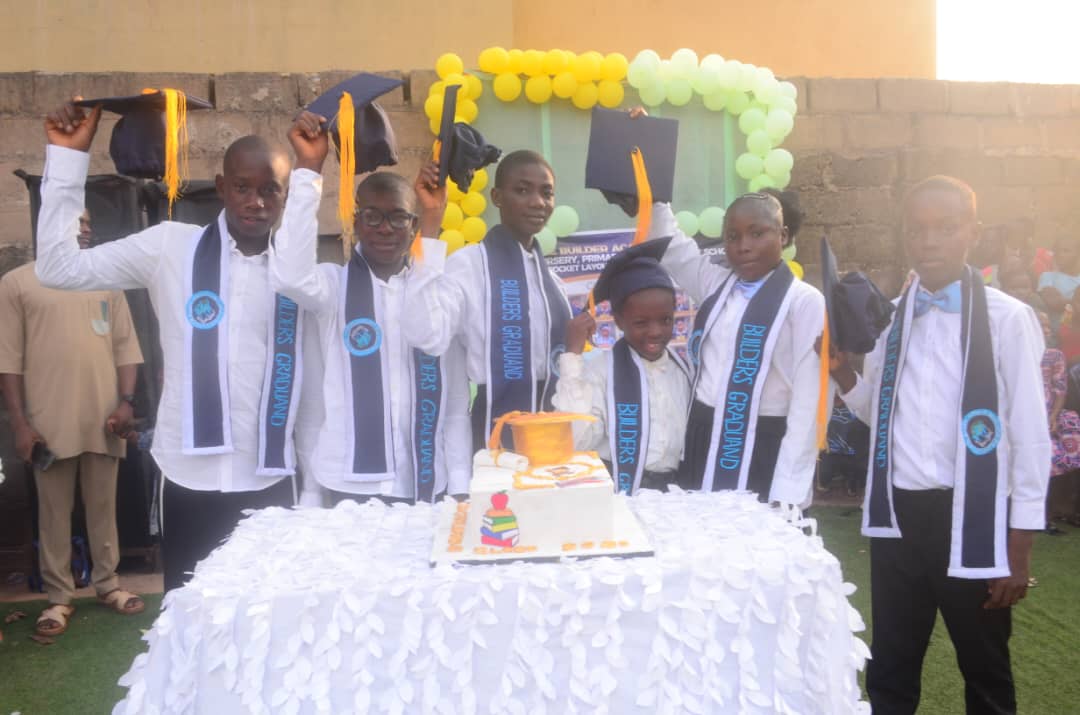
About this program
The secondary level from Senior 1 to Senior 4 represents the lower secondary stage of education and serves as a critical transition from primary learning to more structured and specialized academic development. At this level, students are introduced to a broader and more rigorous curriculum that strengthens their intellectual capacity and prepares them for advanced studies.
Learners engage deeply with core subjects such as Mathematics, English Language, Integrated Science (including Biology, Chemistry, and Physics), and Social Studies (covering History, Geography, Civics, and elements of Economics). In addition, they may be exposed to subjects like Information and Communication Technology (ICT), entrepreneurship, agriculture, and creative arts, depending on the school curriculum.
There is a strong emphasis on developing analytical thinking, problem-solving abilities, communication skills, and independent learning habits. Students are encouraged to participate actively in class discussions, group work, and practical activities, which help to build confidence and teamwork.
More importantly, this stage—especially at the senior (upper) end of the lower secondary cycle, such as Senior 3 and Senior 4—places increasing focus on academic discipline, time management, and exam preparedness. Students begin to identify their strengths and interests, which helps guide their subject choices and career aspirations. Senior 4 serves as a crucial year where learners consolidate their knowledge and sit for national examinations, which determine their progression to higher secondary education or vocational pathways.
Overall, the Senior 1 to Senior 4 cycle plays a foundational role in shaping students academically, socially, and morally, equipping them with the necessary skills and knowledge to succeed in further education and life beyond the classroom.
Learners engage deeply with core subjects such as Mathematics, English Language, Integrated Science (including Biology, Chemistry, and Physics), and Social Studies (covering History, Geography, Civics, and elements of Economics). In addition, they may be exposed to subjects like Information and Communication Technology (ICT), entrepreneurship, agriculture, and creative arts, depending on the school curriculum.
There is a strong emphasis on developing analytical thinking, problem-solving abilities, communication skills, and independent learning habits. Students are encouraged to participate actively in class discussions, group work, and practical activities, which help to build confidence and teamwork.
More importantly, this stage—especially at the senior (upper) end of the lower secondary cycle, such as Senior 3 and Senior 4—places increasing focus on academic discipline, time management, and exam preparedness. Students begin to identify their strengths and interests, which helps guide their subject choices and career aspirations. Senior 4 serves as a crucial year where learners consolidate their knowledge and sit for national examinations, which determine their progression to higher secondary education or vocational pathways.
Overall, the Senior 1 to Senior 4 cycle plays a foundational role in shaping students academically, socially, and morally, equipping them with the necessary skills and knowledge to succeed in further education and life beyond the classroom.